We are not like the pioneers.
Our dinner is grown, packaged, sourced and killed by others. Placed abundantly on shelves with sections containing flavors from far off continents. Do we want a stir fry with those deliciously plump egg noodles? Or maybe we should have nachos, since the avocados are perfectly ripe…
We are not like the pioneers.
Yes, we’re drinking river water. But it’s been filtered, twice. We’re connecting with people everywhere on our little device.
I have a cold, but Chad’s not preemptively digging my grave, just in case.
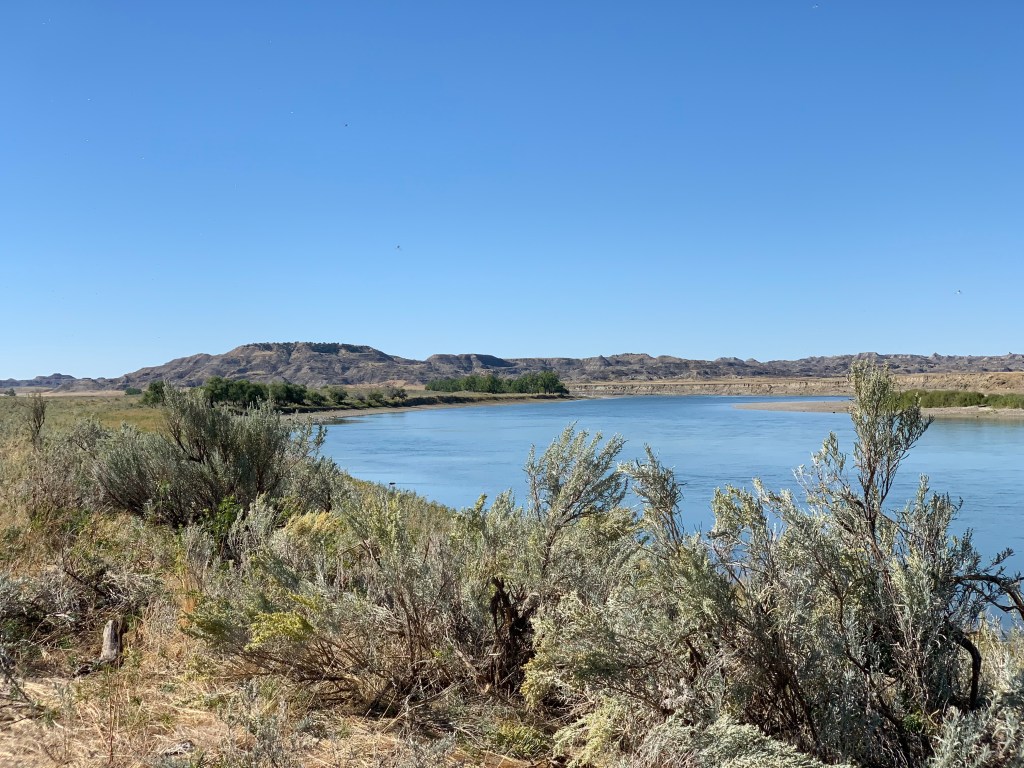
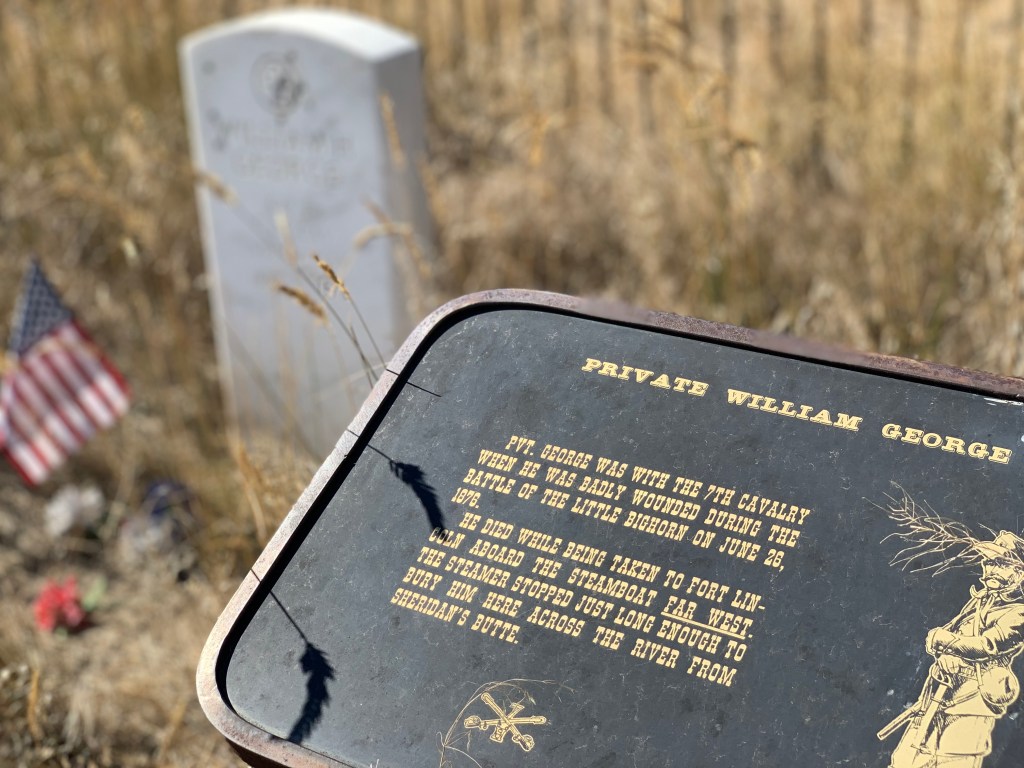
Our situation and experience are nothing like that of Private William George, age 29. Laid to rest about 100 feet from where we’ve set up camp. Wounded in the Battle of Little Bighorn in 1876, he succumbed to his injuries while aboard the steamboat “Far West” which was headed down the Yellowstone River. The same river I dragged my camp chair into on a hot afternoon, and sat sipping a freshly cracked can of “Pamplemousse,” relishing the feeling of the cool water swirl around my ankles. They stopped the boat just long enough to dig his grave and bury him, and thanks to a historic marker and headstone, we know he’s there.
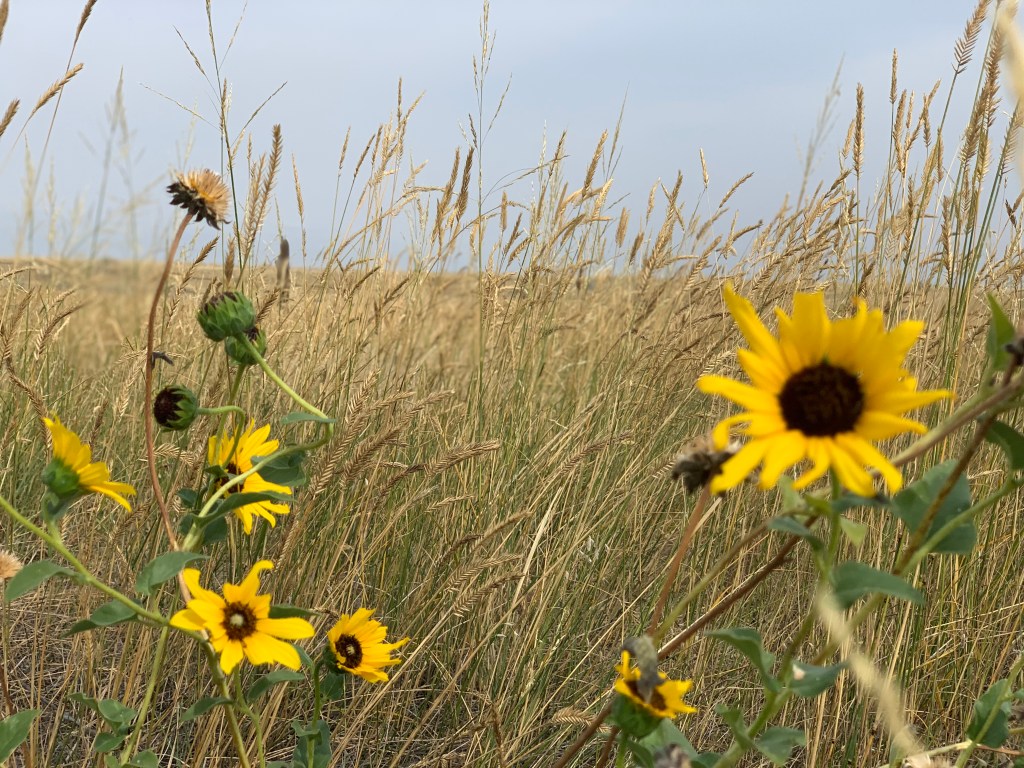
The land we’re on was staging ground for the Battle of Little Bighorn. No markers anywhere for the Native Americans who may have died here, but as we walk along the prairie, it’s easy to picture them. To wonder where we’d be now, if things had gone differently. The buffalo that were indigenous to this place – an integral part of the prairie ecosystem – have been slaughtered. The cows that replaced them stare at us, tagged with bright red plastic numbered earrings. It’s not their fault, or yours, or mine. When walking a path of history, it’s easy to put yourself there, and wonder who you’d be.
And then move back to the present: current beliefs, alliances, choices. We only know what we know.
I know what’s in store for these cows, and it breaks my heart. Especially the little males. They boast a single ear tag, and stand – short legs with big knees – and stare inquisitively at us with large dark brown eyes. At least they have a good life now, offers little to no consolation. And here, it is my fault. Just take a peek inside our fridge.
This is the first time I’ve knowingly been at a spot steeped in history that looks almost the same today as it did, way back when. Save for the railway trestles, and the narrow road – the prairie, river, and blocky Badlands beyond are untouched. They exist now as they always have.
We are nothing like the pioneers.
Our exploration and cartographic impulses are focused on the inner.
We’re here with so much more knowledge of the world than Captain Clark (of the Lewis and Clark Expedition) when he camped at the very spot we’re at 70 years before the Battle of Little Bighorn, in July of 1806. How daunting and exciting it must have been to not know the size of the globe. The patches of continents, and oceans in between.
We arrived in our modern-day wagon, pulled by 348 horses – neatly contained under the hood of the Tundra.
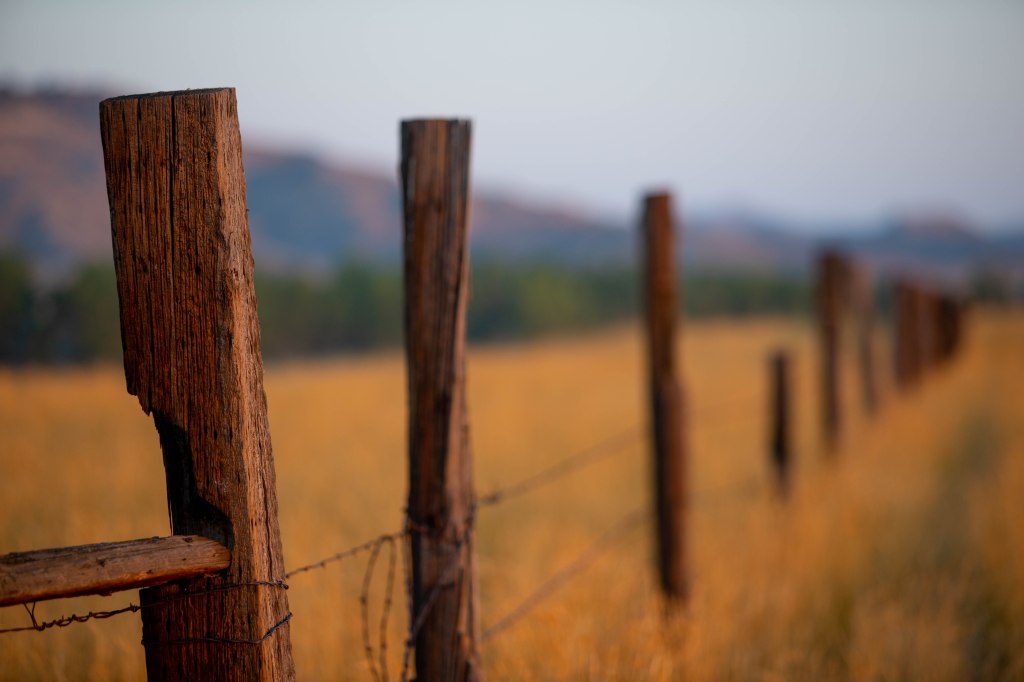
We found this beautiful place right along the river, and bumped along the rutted tracks, up steep hills and over rocks.
We share the same sweeping views as the pioneers did, though perhaps we have more appreciation for them, since we know the future.
We know all about the people, concrete and noise. We’ve seen the smog, the buildings, and huge homes butting up against one another on tiny lots. We know about florescent lights and windowless rooms. How not spending time outdoors deprives that spark of oxygen.
We’re lucky, because we have a choice. We chose this.
We’re aware of how precious it is to have an opportunity to exist comfortably in the wild, and camp in a spot that, for better or worse, has made it into the history books.
As I struggled over what to post on Instagram I realized, this is the dumbest most trivial and insignificant thing that’s ever happened here.
Yeah, we’re nothing like the pioneers.

 TRAVEL & ADVENTURE
loved this one. great introspection, superb writing as always.
LikeLiked by 1 person